Affiliate disclosure: we may earn a commission from qualifying links at no extra cost to you. How we stay independent.
Evidence Guide
Turmeric & Curcumin
Bioavailability, Anti-Inflammatory Evidence, and What the Research Actually Shows
Curcumin is one of the most researched phytonutrients in the world — and also one of the most over-hyped. The key limitation is bioavailability: standard curcumin extract is poorly absorbed, which means most cheap supplements are largely inactive. This guide covers what the evidence says for specific outcomes, which forms actually work, dosage ranges, and the safety context you need before choosing a product.
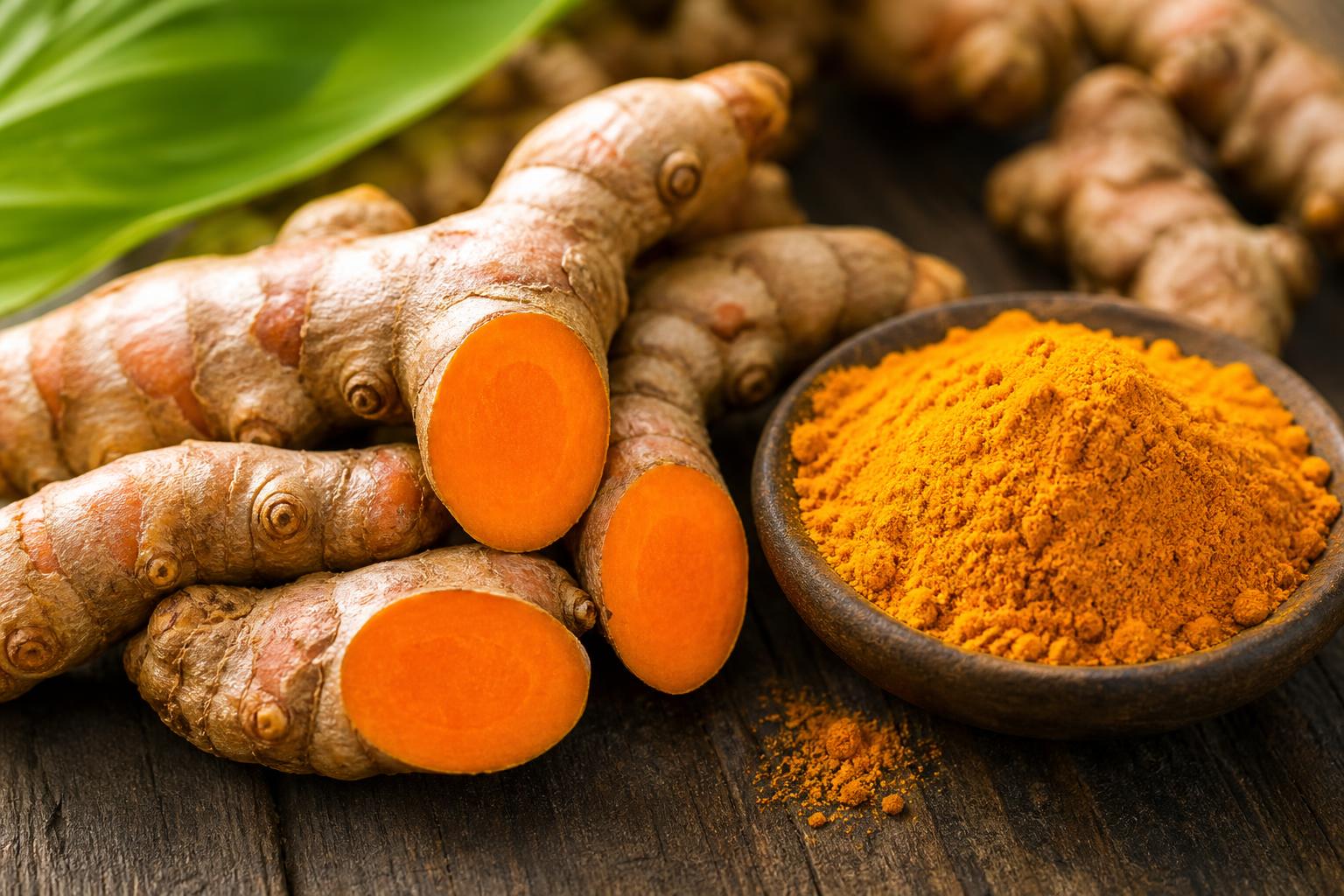
Evidence Overview
The evidence for curcumin varies significantly by outcome. Anti-inflammatory effects and osteoarthritis pain relief have the strongest clinical trial support. Cognitive and mood outcomes remain early-stage. All human evidence comes with the bioavailability caveat — trials using enhanced forms (Meriva, BCM-95) are not directly comparable to trials using standard extract.
Osteoarthritis joint pain
Multiple RCTs using Meriva and BCM-95 show significant reduction in WOMAC pain scores at 8–12 weeks, with effect sizes comparable to low-dose NSAIDs.
Systemic inflammatory markers (CRP, IL-6)
Curcumin consistently reduces CRP and IL-6 in trials across healthy subjects and patients with metabolic conditions, though effect sizes are modest.
Depressive symptoms (adjunctive)
Small RCTs suggest curcumin as an adjunct to antidepressants may reduce depressive symptoms, but sample sizes are small and comparison arms are inconsistent.
Cognitive function and memory
Preliminary human data (Longvida form) show modest improvements in working memory in older adults. Evidence is too limited to draw conclusions for younger populations.
How Curcumin Works
Curcumin is a pleiotropic compound — it modulates multiple biological targets simultaneously rather than acting through a single clean mechanism. This is both its therapeutic strength and the reason for its complexity in research.
The primary mechanism is NF-κB inhibition. NF-κB is a transcription factor that controls the expression of over 200 genes related to inflammation, immunity, and cell survival. By blocking NF-κB activation, curcumin reduces downstream production of pro-inflammatory mediators. This mechanism is well-validated in cell and animal models, and increasingly supported in human inflammatory marker data.
- NF-κB Inhibition
- Curcumin suppresses nuclear factor-kappa B, a master regulator of inflammatory gene expression. This reduces production of COX-2, iNOS, and cytokines like IL-6 and TNF-α.
- Antioxidant Activity
- Curcumin directly scavenges reactive oxygen species and upregulates Nrf2, the transcription factor that activates endogenous antioxidant defenses including glutathione synthesis.
- COX & LOX Modulation
- Unlike NSAIDs (which directly block COX enzymes), curcumin modulates their gene expression upstream — producing a gentler anti-inflammatory effect without gastrointestinal COX-1 inhibition.
- BDNF & Neuroprotection
- Emerging preclinical evidence shows curcumin may increase brain-derived neurotrophic factor (BDNF) and inhibit amyloid-beta aggregation, though human cognitive data remain preliminary.
The Bioavailability Problem
Standard curcumin extract (95% curcuminoids) has extremely poor oral bioavailability due to rapid metabolism in the gut wall and liver (first-pass effect) and low aqueous solubility. Studies suggest less than 1% of an oral dose reaches systemic circulation unchanged. This is why form selection matters enormously — a "500 mg curcumin" label means very different things depending on which delivery system is used.
Dosage & Forms
| Form | Typical Range | Notes |
|---|---|---|
| Standard 95% curcuminoid extract | 500–1500 mg/day | Take with piperine (BioPerine) or fat; poor standalone bioavailability |
| Meriva (phospholipid complex) | 200–500 mg/day | Clinically validated for OA; superior absorption without piperine |
| BCM-95 / Biocurcumax | 500–1000 mg/day | 7x better bioavailability than plain; no piperine needed |
| SLCP / Longvida | 400–800 mg/day | Brain-penetrant form; used in cognitive studies |
| Whole turmeric root powder | 1500–3000 mg/day | Low curcumin content; suitable as culinary supplement, not therapeutic |
Always start at the lower end. Take with food. Consult a healthcare provider before combining with prescription medications.
Safety & Precautions
Swipe or scroll sideways for every safety note.
Turmeric & Curcumin Product Picks
Best Value
NOW Foods
NOW Turmeric 400 mg
Budget pick for basic turmeric root capsules; best used with black pepper for absorption.
View on Amazon →Best Overall
Thorne
Thorne Meriva-SR Curcumin
Best overall for the clinically validated Meriva phospholipid-bound curcumin format.
View on Amazon →Premium Pick
Life Extension
Life Extension Super Bio-Curcumin
Premium BCM-95 curcumin with enhanced bioavailability versus standard turmeric.
View on Amazon →Affiliate disclosure: as an Amazon Associate we earn a small commission on qualifying purchases at no extra cost to you.
References
- [1] Hewlings SJ, Kalman DS. (2017). Curcumin: a review of its effects on human health. Foods, 6(10): 92. PubMed →
- [2] Gupta SC, et al. (2013). Therapeutic roles of curcumin: lessons from clinical trials. AAPS J, 15(1): 195-218. PubMed →
- [3] Belcaro G, et al. (2014). Meriva curcumin in osteoarthritis. Panminerva Med, 56(2): 143-151. PubMed →
- [4] Anand P, et al. (2007). Bioavailability of curcumin: problems and promises. Mol Pharm, 4(6): 807-818. PubMed →
- [5] Daily JW, et al. (2016). Efficacy of turmeric extracts and curcumin for arthritis. J Med Food, 19(8): 717-729. PubMed →
Affiliate-ready sourcing
Product recommendations
Use these as sourcing starting points, not medical recommendations. Product quality, dose, and fit still need review.
Affiliate disclosure: we may earn a commission from qualifying links at no extra cost to you. How we stay independent.
Common Questions About Turmeric & Curcumin
Free safety checklist
Get the evidence-first supplement notes
Occasional research updates, practical safety context, and new guide announcements. No diagnosis, treatment, or personal medical advice.
We use your email to send the checklist and occasional evidence-first supplement updates. Unsubscribe anytime. Privacy policy.
Referenced Profiles
Related Guides
Guide
Ashwagandha Guide
Adaptogenic stress reduction, cortisol modulation, and sleep quality — with dosage and safety context.
Guide
Lion's Mane Guide
NGF synthesis, cognitive support, and neuroregeneration — evidence review for the culinary-medicinal mushroom.
Guide
Magnesium for Sleep Guide
Form comparison, dosage, and evidence review for magnesium as a sleep and anxiety support supplement.