Affiliate disclosure: we may earn a commission from qualifying links at no extra cost to you. How we stay independent.
Stress education
How to Lower Cortisol Naturally
Written and edited by Willie B. Randolph III · Last updated June 2026
Cortisol is not the enemy. It is the hormone that wakes you up, mobilizes energy and helps you respond to challenge. The problem is when it stays elevated — or loses its natural daily rhythm — because of chronic stress, poor sleep and constant stimulation. Lowering cortisol naturally is really about restoring that rhythm. This guide covers the lifestyle levers that move it most, then the herbs with the strongest evidence, in priority order.
Fastest useful choice
If you only try one thing: protect your sleep
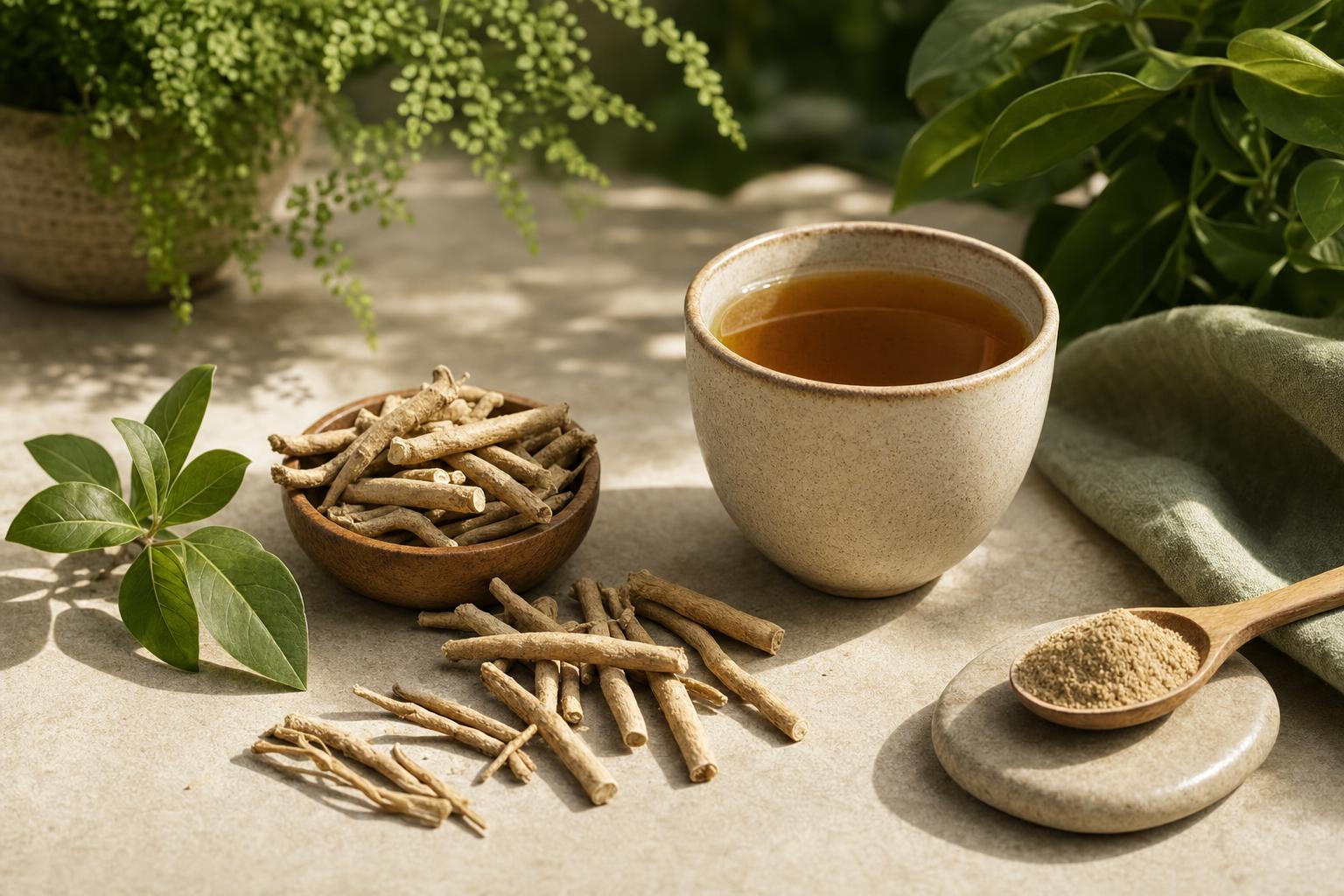
Sleep is the fastest and most powerful lever on cortisol — a single poor night measurably raises next-day cortisol, while a consistent sleep-and-wake schedule restores the natural morning-peak / evening-trough rhythm that supplements cannot replicate. For acute stress moments, L-theanine (100–200 mg) blunts cortisol within an hour. For chronic baseline elevation over weeks, ashwagandha (300–600 mg, KSM-66 or Sensoril) has the strongest supplement evidence.
Quick answer
The biggest natural lever on cortisol is not a supplement — it is sleep and a consistent daily rhythm, followed by morning light, moderate exercise (without overtraining), slow breathing and limiting late caffeine and alcohol. On top of that foundation, the best-supported supplements are ashwagandha (lowers baseline cortisol over weeks), rhodiola (stress resilience and fatigue), magnesium and L-theanine (acute calming).
Key takeaways
- • Aim for rhythm, not zero. Healthy cortisol is high in the morning and low at night; the target is a normal curve, not the lowest possible number.
- • Sleep is the master regulator. A single poor night raises next-day cortisol; consistent sleep does more than any capsule.
- • Ashwagandha has the best supplement evidence for lowering baseline cortisol, but it works over weeks, not overnight.
- • Match the tool to the timeframe: breathing and L-theanine for acute spikes, adaptogens for chronic load.
- • Persistent symptoms need testing — supplements are for everyday stress, not endocrine disease.
Foundations first
The lifestyle levers that move cortisol most
Before reaching for any supplement, it is worth being honest about where cortisol really comes from. For the vast majority of people, chronically elevated cortisol is downstream of day-to-day inputs — too little sleep, too much stimulation, irregular routines and unrelenting psychological pressure — not a hormonal disease. That is good news, because these inputs are the levers you actually control, and they move cortisol far more than any capsule does. The six below are listed roughly in order of impact; if you only change one thing, make it your sleep and the consistency of your daily schedule.
Sleep & schedule
Regular sleep and wake times stabilize the cortisol rhythm. Sleep debt is one of the most reliable ways to push cortisol up.
Morning light
Bright light early in the day sharpens the healthy morning cortisol peak and supports a lower evening level.
Moderate exercise
Regular movement lowers stress reactivity — but chronic overtraining without recovery does the opposite.
Slow breathing
A longer exhale than inhale shifts you toward the parasympathetic state and lowers acute cortisol within minutes.
Caffeine & alcohol timing
Late caffeine raises cortisol and fragments sleep; alcohol disrupts the overnight recovery window.
Connection & nature
Social comfort and time outdoors measurably reduce stress hormones — low-cost, underrated levers.
Evidence overview
Herbs and supplements, in priority order
Ashwagandha Strongest evidence
Standardized extracts repeatedly lower serum cortisol and perceived stress in chronically stressed adults across randomized trials. Typical dose is 300–600 mg of a standardized extract, given 4–8 weeks. It is the closest thing to a direct cortisol-lowering supplement — see how it stacks up in rhodiola vs ashwagandha.
Rhodiola rosea
Rhodiola targets the experience of stress — fatigue, mental tiredness and burnout — and can blunt the stress response under demanding conditions. Best taken in the morning at 200–400 mg of a standardized extract; it can disrupt sleep if taken late. Explore the full rhodiola guide.
Holy basil (tulsi)
A traditional adaptogen with emerging trial support for reducing stress symptoms. A gentle, well-tolerated option that fits naturally into a daily routine as a tea or extract.
Magnesium & L-theanine
Magnesium supports HPA-axis regulation and is often depleted in stressed people; deficiency amplifies the stress response. L-theanine is the best acute tool, blunting cortisol and the feeling of stress within an hour without sedation. Together they cover the moment-to-moment side of stress while adaptogens work on the baseline. See ashwagandha vs L-theanine vs magnesium.
Risks & safety
- • Adaptogens are not a substitute for medical evaluation, especially with endocrine conditions, diabetes, or while pregnant or breastfeeding.
- • Ashwagandha: avoid in pregnancy and breastfeeding; rare hepatotoxicity reported; can affect thyroid hormone levels; caution with sedatives, immunosuppressants, and autoimmune disease.
- • Rhodiola: caution with bipolar disorder (may trigger mania); interaction risk with SSRIs and MAOIs; stimulating for some people and may worsen sleep or agitation if taken late or in high doses.
- • Holy basil: may lower blood sugar; caution with diabetes medication and hypoglycemic agents.
- • Magnesium: caution with kidney disease (kidneys regulate excretion); high doses cause loose stools — lower the dose rather than stopping.
- • If you take medication for blood pressure, mood, sleep, thyroid, or a hormonal condition, confirm compatibility before adding herbs.
- • Persistent symptoms — unexplained weight changes, severe fatigue, easy bruising, or persistent high blood pressure — warrant medical evaluation for conditions such as Cushing’s syndrome or adrenal disorders.
References
- [1] Chandrasekhar K, et al. (2012). Ashwagandha and cortisol reduction. Indian J Psychol Med, 34(3): 255-262. PubMed →
- [2] Olsson EM, et al. (2009). Rhodiola rosea for stress fatigue. Planta Med, 75(2): 105-112. PubMed →
- [3] Panossian A, Wikman G. (2010). Adaptogens and stress response. Pharmaceuticals, 3(1): 188-224. PubMed →
Affiliate-ready sourcing
Product recommendations
Use these as sourcing starting points, not medical recommendations. Product quality, dose, and fit still need review.
Affiliate disclosure: we may earn a commission from qualifying links at no extra cost to you. How we stay independent.
Frequently asked questions
What lowers cortisol the fastest?
Acutely, the fastest levers are behavioral: slow breathing (a longer exhale than inhale), a short walk, sunlight, and physical or social comfort all reduce cortisol within minutes. Supplements work more slowly. Among them, L-theanine and phosphatidylserine can blunt an acute cortisol response, while ashwagandha lowers baseline cortisol over weeks of consistent use.
Does ashwagandha really lower cortisol?
Yes — ashwagandha is the best-evidenced supplement for this. Multiple randomized trials of standardized extracts (such as KSM-66) show meaningful reductions in serum cortisol and perceived stress in chronically stressed adults, typically over 4–8 weeks. It is not an instant fix; it works by helping the HPA stress axis return to a more regulated baseline.
Is high cortisol always bad?
No. Cortisol is essential and follows a healthy daily rhythm — high in the morning to wake you, low at night to let you sleep. The problem is chronic elevation or a flattened rhythm from ongoing stress, poor sleep and irregular routines. The goal is not to crush cortisol but to restore its natural rhythm.
When should I see a doctor about cortisol?
Lifestyle and supplements address everyday stress load, not medical disease. Symptoms like unexplained weight changes, persistent high blood pressure, easy bruising, muscle weakness or severe fatigue warrant medical evaluation, because conditions such as Cushing’s syndrome or adrenal disorders need proper testing and treatment.
Free safety checklist
Get the evidence-first supplement notes
Occasional research updates, practical safety context, and new guide announcements. No diagnosis, treatment, or personal medical advice.
We use your email to send the checklist and occasional evidence-first supplement updates. Unsubscribe anytime. Privacy policy.